
Monday, 20 March 2023
Introduction:
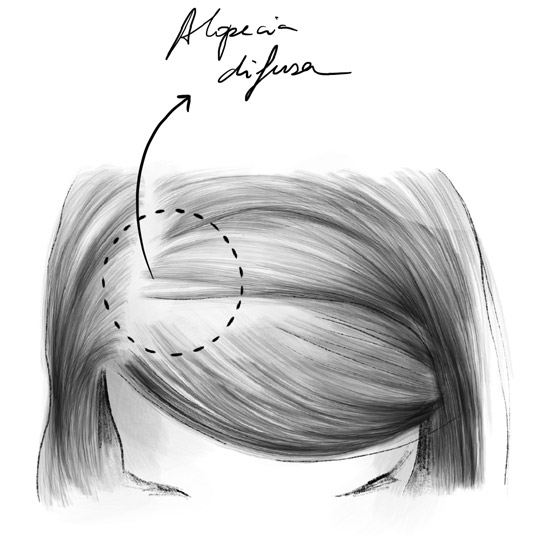
Alopecia, or hair loss, is a common problem that affects millions of people worldwide. Although there are several causes and factors that can contribute to hair loss, there are also strategies and tips to prevent it and maintain healthy hair. In this article, we will explore the most common causes of alopecia and discuss some preventive measures you can take to protect your hair.
Common Causes of Alopecia:
Genetics: Genetic predisposition is one of the most common causes of alopecia, particularly in the case of androgenetic alopecia. This condition, also known as male or female pattern baldness, affects both men and women and is due to the sensitivity of hair follicles to androgens, the male sex hormones.
Stress: Physical or emotional stress can cause temporary hair loss known as telogen effluvium. In this case, the hair enters a resting phase and, after a few months, can fall out in large amounts. Once the stressful factor is removed or managed, the hair usually grows back.
Hormonal Imbalance: Hormonal imbalances, such as those caused by pregnancy, menopause or thyroid issues, can lead to hair loss. In many cases, hair regrowth occurs once the hormonal imbalance is corrected.
Medications and Medical Treatments: Some medications, such as those used to treat cancer, arthritis, depression or high blood pressure, can cause hair loss as a side effect. In general, hair regrowth occurs once the medication is discontinued or the medical treatment is completed.
Inadequate Nutrition: A diet lacking in essential nutrients, such as proteins, iron, zinc and biotin, can lead to hair loss. Eating a balanced, nutrient-rich diet is crucial for maintaining healthy hair.
How to Prevent Alopecia:
Maintain a Balanced Diet: Ensure you consume enough proteins, vitamins and minerals to maintain healthy hair. Include iron, zinc, biotin and B-complex vitamins-rich foods in your diet.
Avoid Aggressive Hair Treatments: Limit the use of heat tools, such as hair straighteners and hairdryers, and avoid aggressive chemical treatments, such as hair dyes, relaxers and perms. These treatments can weaken the hair and cause it to fall out.
Don't Comb or Brush Too Hard: Combing or brushing the hair too hard can lead to hair breakage and damage the hair follicles. Opt for a soft brush and avoid hairstyles that pull on the hair, such as tight ponytails or buns.
Manage Stress: Find effective ways to manage stress in your life, as chronic stress can contribute to hair loss. Practice relaxation techniques, such as meditation, yoga or deep breathing, and strike a balance between work and personal life.
Consult a Doctor If You Suspect a Health Issue: If you believe hair loss may be related to an underlying health issue, such as a hormonal imbalance or an autoimmune disease, consult a doctor. Proper treatment of the health issue may help stop or reverse hair loss.
Conclusion:
Alopecia is a complex issue that can have multiple causes.
While you may not be able to completely prevent hair loss, especially if it is related to genetic factors, you can take steps to care for your hair and reduce the risk of experiencing alopecia. Maintain a balanced diet, avoid aggressive hair treatments, manage stress and seek medical help if necessary. By paying attention to these aspects, you will be on your way to healthier and stronger hair.